
Median sale price
$805K–$885K
Recent Redfin measures varied between the 75078 ZIP code and the broader Prosper market.
North Dallas community guide
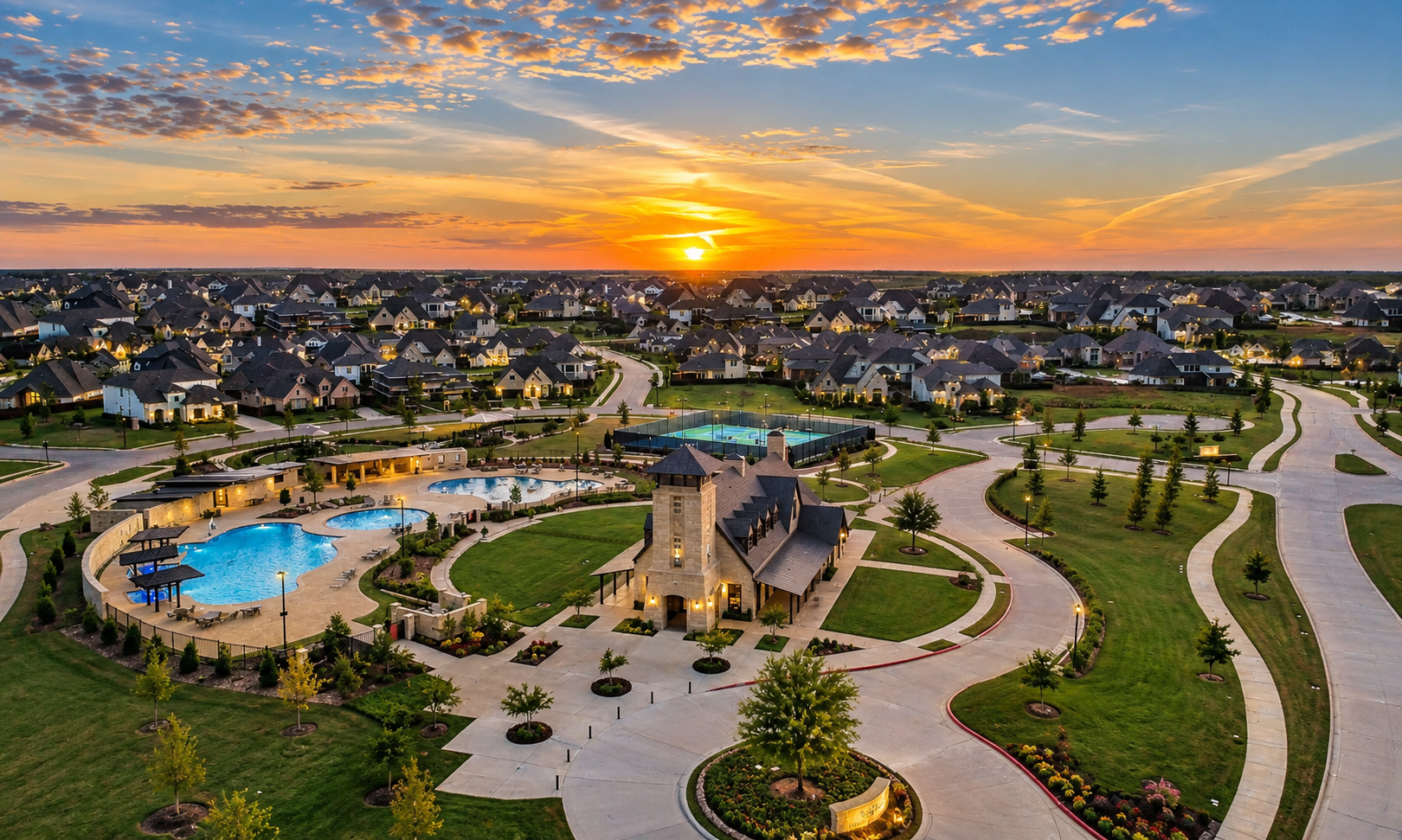
A growing community north of Frisco known for newer homes, larger-scale neighborhoods, and a more spacious residential setting.
Talk with DebbieLiving in Prosper
Prosper is located along the US-380 corridor north of Frisco, with development extending toward the Dallas North Tollway. Its real estate market is shaped by newer master-planned communities, larger homes and lots, and continued residential and commercial growth.
Current market context
Figures reflect July and August 2026 market reporting. Market conditions change; Debbie can provide a current, property-specific analysis.
Median sale price
Recent Redfin measures varied between the 75078 ZIP code and the broader Prosper market.
Typical price context
Smaller and older resales may sit below the median, while larger newer homes and custom properties extend well above it.
Common home types
Master-planned homes, larger floorplans, amenity-focused neighborhoods, and luxury or custom properties are common.
Days on market
Redfin reported roughly two months or more for recent sales, depending on the geographic measure.
Annual price trend
Multiple mid-2026 sources showed modest price softening, with the result depending on metric and period.
Inventory conditions
More listings and homes selling below asking price indicate greater buyer choice than in earlier market cycles.
Prosper real estate remains priced above many neighboring North Dallas markets because of its newer housing stock, larger properties, and master-planned amenities. The 2026 market showed softer annual pricing and longer decision windows, which can help buyers compare options while requiring sellers to be precise about condition and value.
Everyday experience
Prosper offers a residential, community-centered pace with newer amenities and convenient access to Frisco, while local retail continues to expand with population growth.
Commercial corridors along US-380 and the Dallas North Tollway are expanding, while larger established retail districts in Frisco remain within practical reach.
Local dining is growing with new development. Residents also use nearby Frisco and McKinney for a wider selection of restaurants and entertainment.
Frontier Park is a major public recreation hub, while many master-planned neighborhoods add trails, pools, playgrounds, and community facilities.
Prosper ISD serves much of the area and continues opening campuses as enrollment grows. Exact attendance zones should be verified for each address.
US-380 is the primary east-west route, and communities near the Dallas North Tollway provide direct access south toward Frisco and other employment centers.
Daily life is centered on newer neighborhoods, schools, youth activities, and community amenities, with a less dense feel than more established suburbs to the south.
For homebuyers
Buyers considering homes for sale in Prosper, TX are often comparing space, newer construction, neighborhood amenities, school boundaries, and access to Frisco employment centers.
Newer housing and master-planned neighborhoods provide modern floorplans, community amenities, and a broad selection of larger homes.
A location directly north of Frisco gives residents access to major North Dallas services and employment while preserving a more spacious residential setting.
Longer market times and increased inventory can give prepared buyers more opportunity to evaluate builder incentives, resale competition, and contract terms.
For homeowners
Prosper continues to attract buyers seeking newer homes and larger properties, although the expanded supply means presentation and pricing carry more weight.
Prosper’s distinctive housing profile and continued regional growth keep the area visible to buyers moving within North Dallas or relocating to the region.
Homes with strong condition, thoughtful updates, and clearly communicated neighborhood amenities can compete effectively against both resale listings and new construction.
A neighborhood-specific analysis helps sellers account for builder inventory, incentives, lot position, age, and upgrades rather than relying only on townwide averages.
Market figures are time-sensitive and intended as general context, not a valuation of a specific property.